
– by Dr. Radhika Ganesan
Rice is a major part of our daily diet and serves as a staple food in many regions, particularly in South Asia. The rice commonly consumed today is highly polished to achieve a white appearance. Varieties such as Sona, Masuri, and Ponni are expected to be white. However, frequent consumption of polished rice has been associated with several health concerns, including diabetes, weight gain, and increased abdominal fat, as supported by various studies. For these reasons, researchers advise limiting polished rice intake.
Despite these warnings, guidance on suitable alternatives is often missing. Rice has been a part of traditional diets for centuries, forming the basis of many South Indian meals. Breakfast often includes dishes like dosai, idli, pongal, appam, semiya, uppuma, kichadi, and idiyappam, accompanied by a variety of chutneys. Lunch typically consists of cooked parboiled rice with poriyal, eggs, meat, sambar, dal curry, rasam, pappad, buttermilk or curd, and occasionally a dessert such as payasam. Additionally, rice flour is a key ingredient in approximately 80% of local snacks.
Nutritional Composition of Polished Rice
Polished rice undergoes extensive processing, removing 20–25% of its natural components, including the bran and germ. This process eliminates dietary fiber entirely. Secondly, the 60% of iron content from the rice is removed. The 100% essential amino acids which is get through the diet is also removed. Then 67% Vitamin B6, 80% Vitamin B1 the most micronutrients are removed from the rice. The rice we consume is composed of carbohydrates and starch this will increase the blood glucose level and has high GI value because of removal of other nutrients. The glycemic index and the glycemic load the glycemic index multiplied by the amount of carbohydrate) of the overall diet have been associated with a greater risk of type 2 diabetes in both men and women. Which increase of above 70% of GI which means high GI value. Whatever the rice varieties we consume of ponni, masuri, sonna all has high GI value which is proved by the researchers.
Glycemic Index of Alternative Rice Varieties
In markets there is available of low polished rice, brown rice, etc., does these have low, high, or no GI?
The researchers has found that the less polished rice has high GI what was the reason behind it lets explore. The rice has amylose and amylose pectin. The amylose and amylose pectin ratio. In a rice the amylose alone should not increase the GI value but the presence of high level in amylose pectin will increase the GI value. The grain size also declare the GI value the long grain has low GI value and the short grain has less GI value. The blood sugar level is increased based on the CHO, protein, nutrient rich, antioxidant, anthocyanin, etc., Then not only we get the diabetes alone, we get nutrient deficiency, iron deficiency, Lower in HP, digestive disorder, etc., Not only increasing of high blood sugar alone is not a reason to avoid because it is our staple food.
Classification of Rice Based on Glycemic Index
There is lot of rice varieties available but some rice varieties is high in cost and the production yield takes longer time to harvest. The researchers has found what rice varieties has increased the GI value at what level is given as a bar graph. But some researchers told some rice has medium GI it may varies.
Medium GI which means it increase the GI value of about 60 which the level of GI value above 55 and below 69 of the categories. The medium GI rice has more varieties we have found of 30 rice varieties with medium GI which is shown in the bar graph. Next, the traditional rice varieties which is low GI value rice varieties which has the brown rice it has low GI value. Which has the level of 47-55 the researchers has classified.
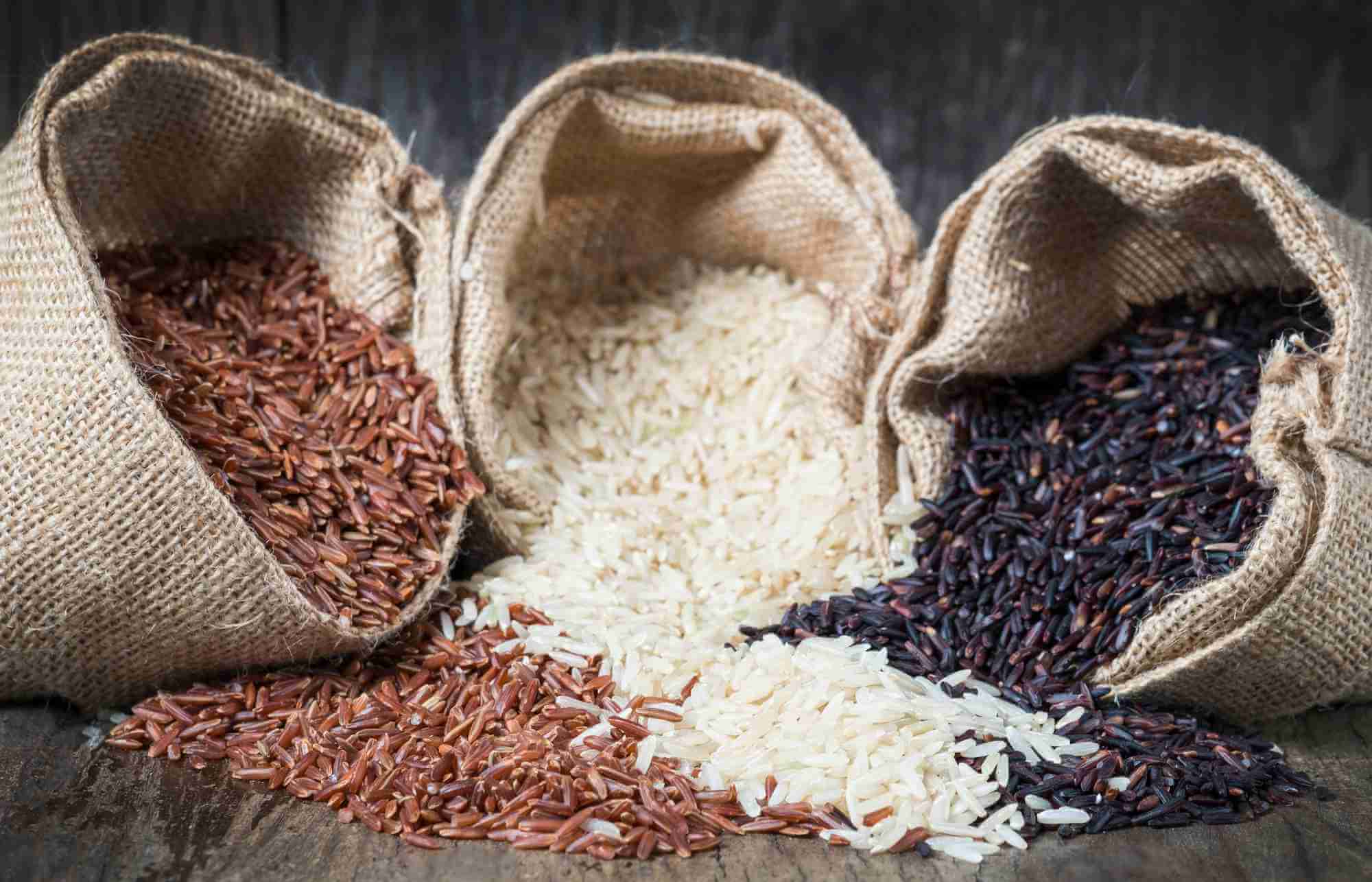
Simple Substitution: A practical approach is to replace high GI rice with lower GI alternatives without drastically changing the dish. For example, using a 50:50 ratio of white rice and brown or black rice can help reduce the glycemic impact.
Selecting the Right Rice Variety: Choosing appropriate rice varieties for specific dishes can improve flavor while controlling GI. Adjusting the ratio of different rice types, such as 100% white rice with 25% brown rice, is effective.
Monthly Rotation of Rice Varieties: Rotating rice varieties across months ensures a diverse intake of nutrients, antioxidants, and health benefits. Incorporating 3–4 different rice varieties per month provides a broader nutritional profile.